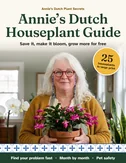
From Annie’s YouTube channel, 180,000 views since October
One clear answer for every plant on your windowsill.
Save it, make it bloom, and grow more for free. A large-print guide to 25 houseplants you probably already own, made to print at home.
Opens in December at $29
- 30 days to get your money back
- One payment. No subscription
- Print it or read it on any screen
- Help by email, within two working days
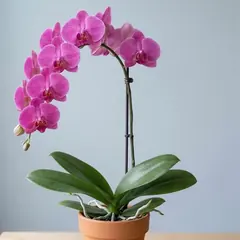
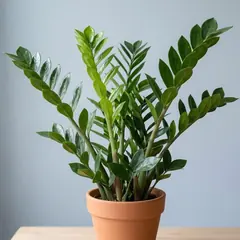
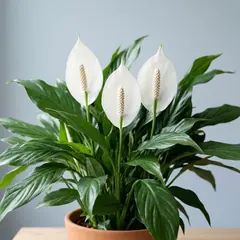
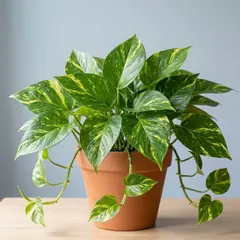
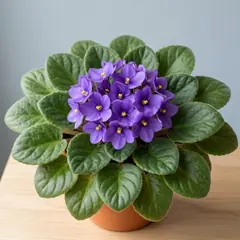
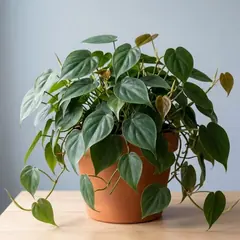
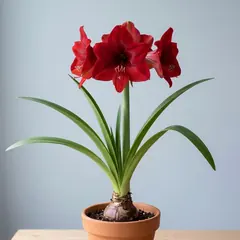
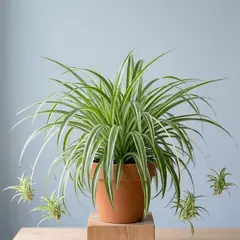
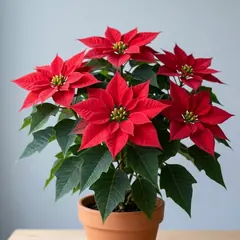
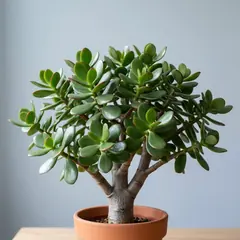
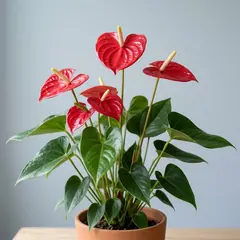
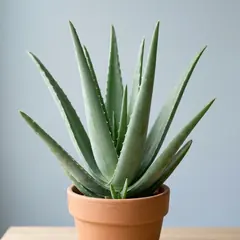
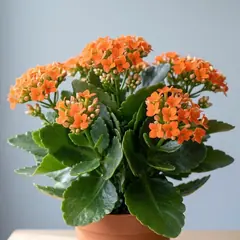
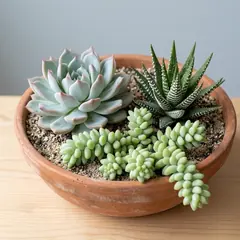
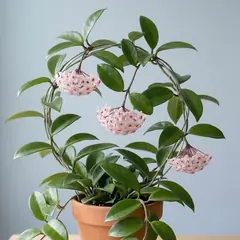
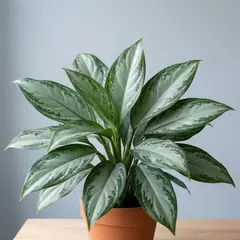
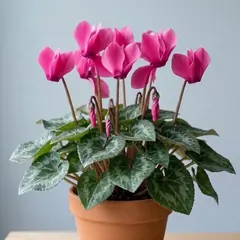
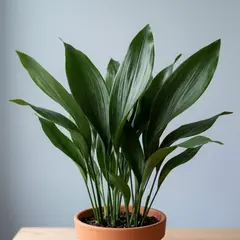
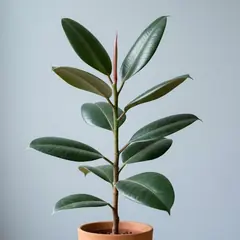
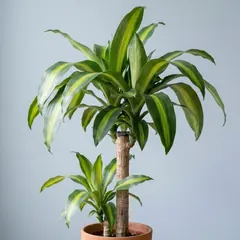
Questions this Guide answers
Some of these plants came from the grocery store. Some came from a mother or an aunt, and nobody wants to be the one who loses it.
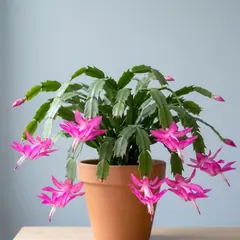
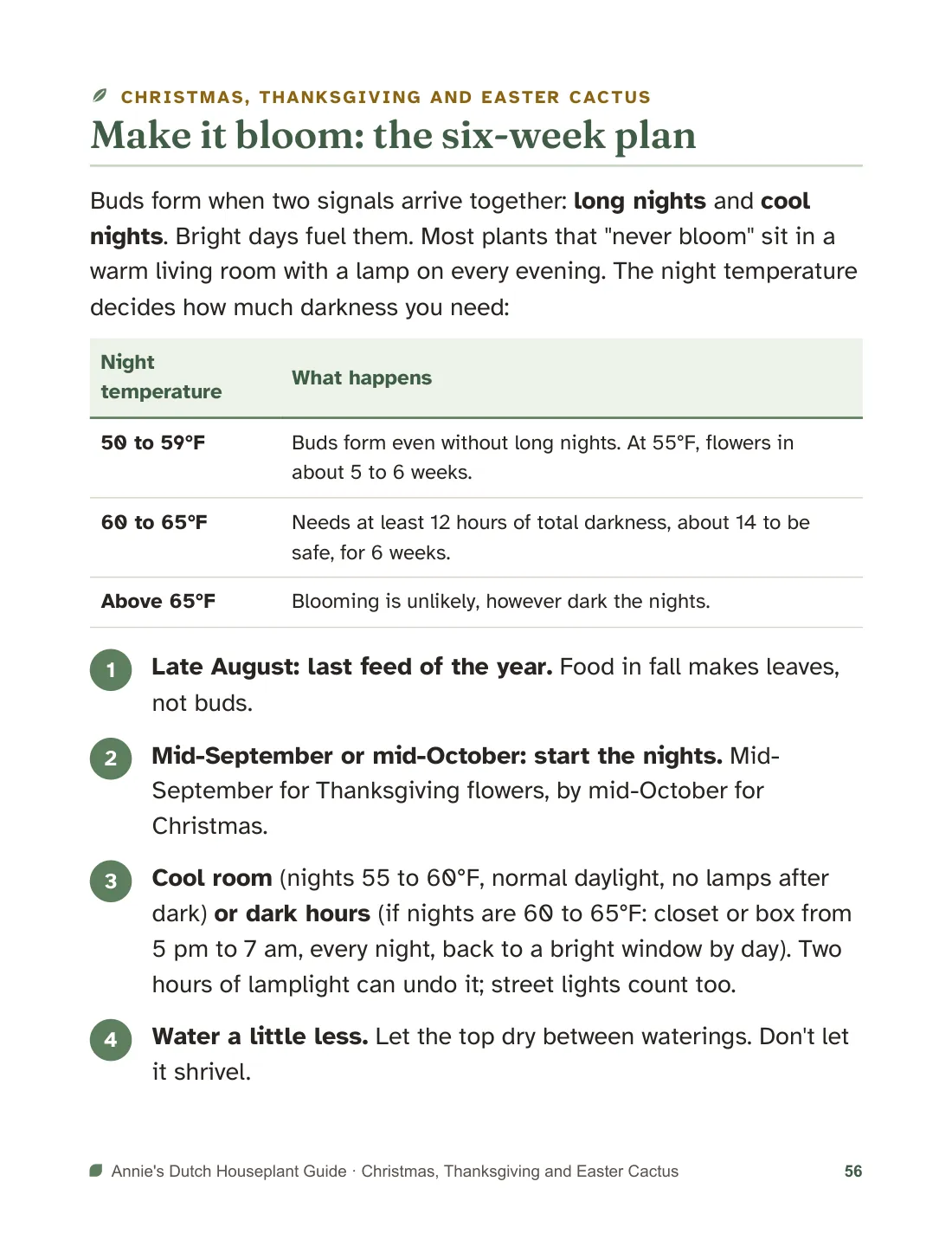
- Why won’t my Christmas cactus bloom?Usually the nights: too warm, or a lamp on every evening. Page 56
- The flowers fell off my orchid. Where do I cut?Brown, dry stem: at the base. Green stem: you have two choices, and the Guide says which suits your plant. Page 69
- Why are the buds dropping?A move, a draft, a heater vent, cold glass or dry soil. Three checks tell you which. Page 20
- Is it root rot, and can I save it?How to judge the roots, what to cut, and how long it takes to come back. Page 351
- What gets rid of the little black flies?Let the top inch dry first. Then sand, sticky cards and Bti, in that order. Page 357
- My African violet has leaves and no flowers.Often too little light, sometimes too much food. The Guide gives both as numbers. Page 90
- Do I dare repot my mother’s old plant?Often it’s happiest staying put. When to leave it alone, and how to do it if you must. Page 354
- What do I do with the poinsettia in January?Keep it growing, cut it back in spring, or let it go without guilt. Page 112
- Does coffee, rice water or eggshell do anything?Three of fourteen kitchen tricks, graded, with what works instead. Page 367
- Is this one safe with a cat in the house?All of them in one place, following the ASPCA’s lists. Page 382
Which of these are on your windowsill?
Tap your plants. You’ll see which pages are yours, and what to do for them this month.
- and twelve more just below
Twelve more get a short two-page guide
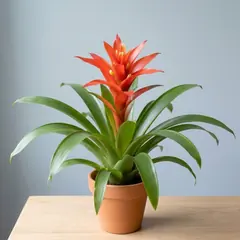 Bromeliadpage 326
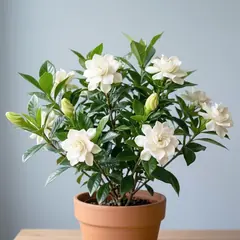 Gardeniapage 328
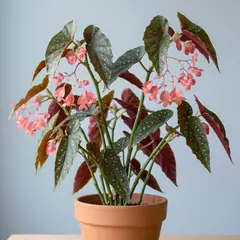 Begoniapage 330
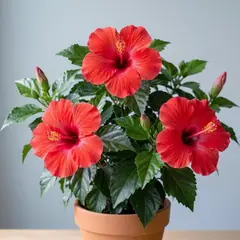 Hibiscuspage 332
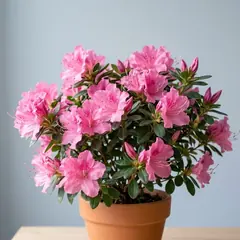 Holiday Azaleapage 334
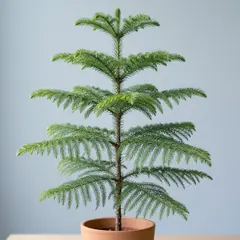 Norfolk Island Pinepage 336
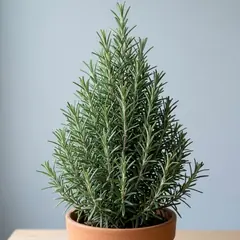 Rosemary Treepage 338
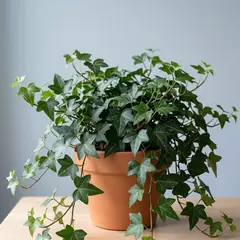 English Ivypage 340
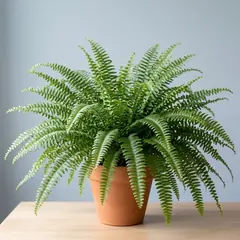 Boston Fernpage 342
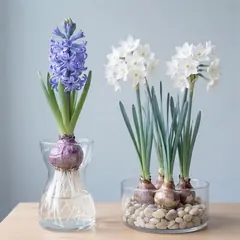 Bulbs in a Glasspage 344
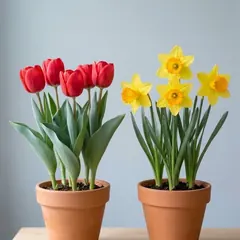 Tulips and Daffodils in Potspage 346
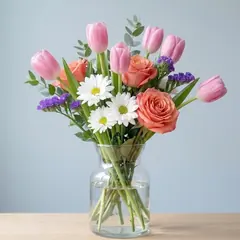 Cut Flowerspage 348
Don’t see yours? The problem finder starts from what you can see, like yellow leaves or tiny flies, so it helps with most houseplants.
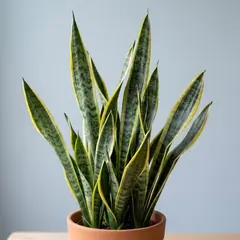
Each picture shows one typical plant. Yours may have another color or leaf pattern.
Something wrong with it? Try these checks now
They come straight from the Guide’s problem finder. No email needed.
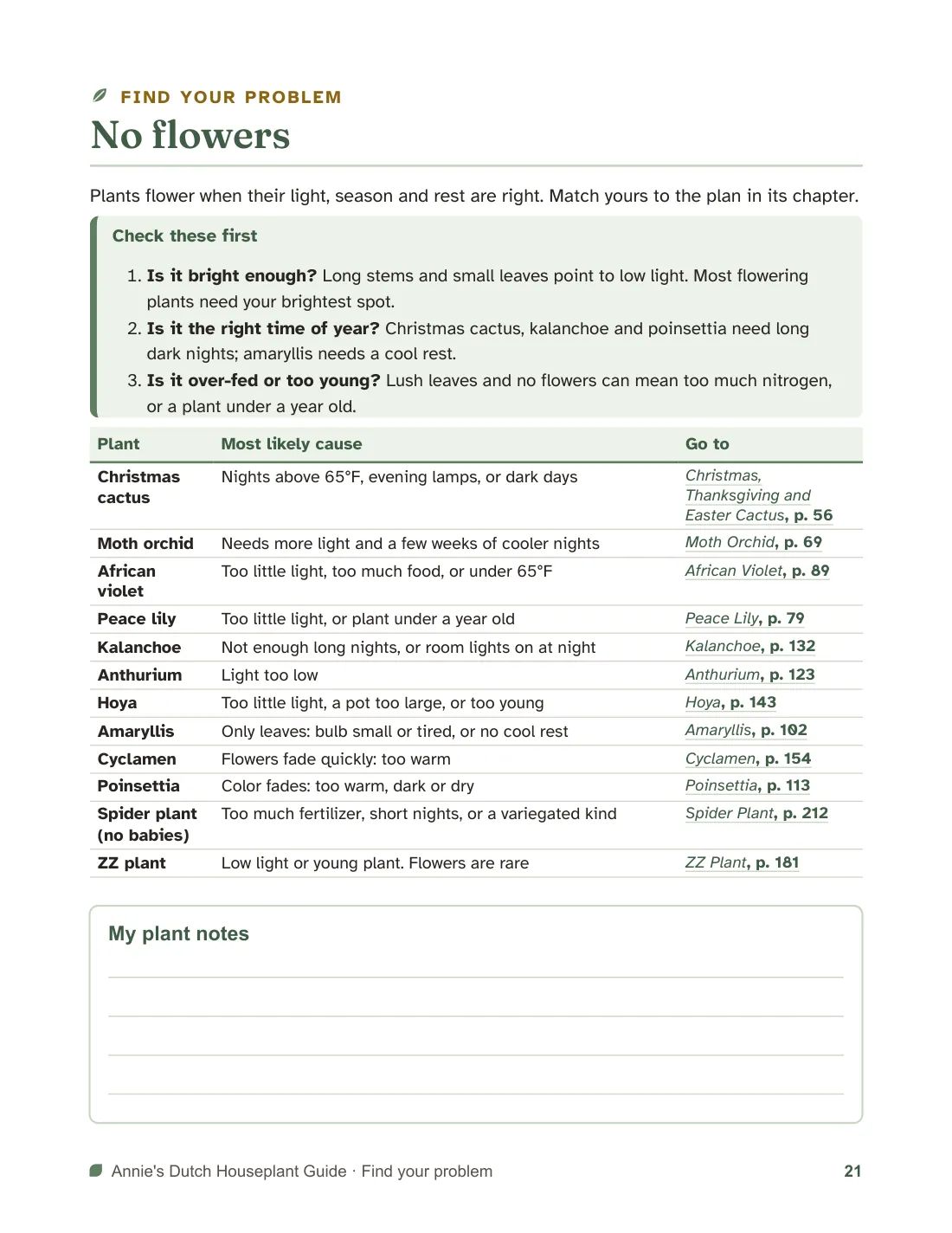
It won’t flower
- Is it bright enough? Long stems and small leaves point to low light. Most flowering plants need your brightest spot.
- Is it the right time of year? Christmas cactus, kalanchoe and poinsettia need long dark nights; amaryllis needs a cool rest.
- Is it over-fed or too young? Lush leaves and no flowers can mean too much nitrogen, or a plant under a year old.
In the Guide: page 21 goes on with the likely cause for 12 plants, and the page with each fix.
The buds are dropping
- Did you move the plant after buds formed? Even a turn of the pot can do it. Pick a spot and leave it.
- Is it near a vent, door or cold glass? Drafts and sudden temperature changes drop buds.
- Is the room hot and dry, or dim? Dry air and low light make buds stall and fall.
In the Guide: page 20 goes on with the likely cause for 5 plants, and the page with each fix.
Yellow leaves
- Is the soil wet? Push a finger 1 inch into the pot. Still wet after several days: water less often and empty the saucer.
- Is the base or stem soft? Squeeze it gently. Soft or mushy means rot: turn to the soft-stem page in the Guide.
- Is it a few old leaves at the bottom? Slow loss of the lowest leaves is normal ageing in several plants.
In the Guide: page 13 goes on with the likely cause for 11 plants, and the page with each fix.
It’s drooping
- Feel the soil 1 inch down. Dry: water well at the sink and watch the plant stand up within hours.
- Is the soil wet and the plant still limp? Roots are rotting. Look at the roots and repot or take cuttings, as the Guide shows.
- Is it a new plant, just moved or cold? Shock from a move, a chill or a plastic sleeve droops leaves. Keep it steady and warm.
In the Guide: page 17 goes on with the likely cause for 9 plants, and the page with each fix.
Brown tips
- What water do you use? Tap water with fluoride or salts browns the tips of spider plant, dracaena, peace lily and lucky bamboo. Try rain or distilled water for a month.
- Is there a white crust on the soil or pot rim? That is built-up salt from food or hard water. Flush the pot with plenty of water and feed less.
- Is the plant near a vent, heater or fireplace? Hot, dry air browns edges. Move it away and group plants together.
In the Guide: page 14 goes on with the likely cause for 11 plants, and the page with each fix.
Tiny flies
- Do the flies rise from the soil when you water? Fungus gnats. Let the top inch dry between waterings.
- Do white flies puff off the leaves when you touch them? Whiteflies. Check under the leaves.
- Is the soil always damp on top? Damp soil is where gnat larvae live. Water less, and empty the saucer.
In the Guide: page 25 goes on with the likely cause for 4 plants, and the page with each fix.
Look inside
Real pages, exactly as you’ll get them.
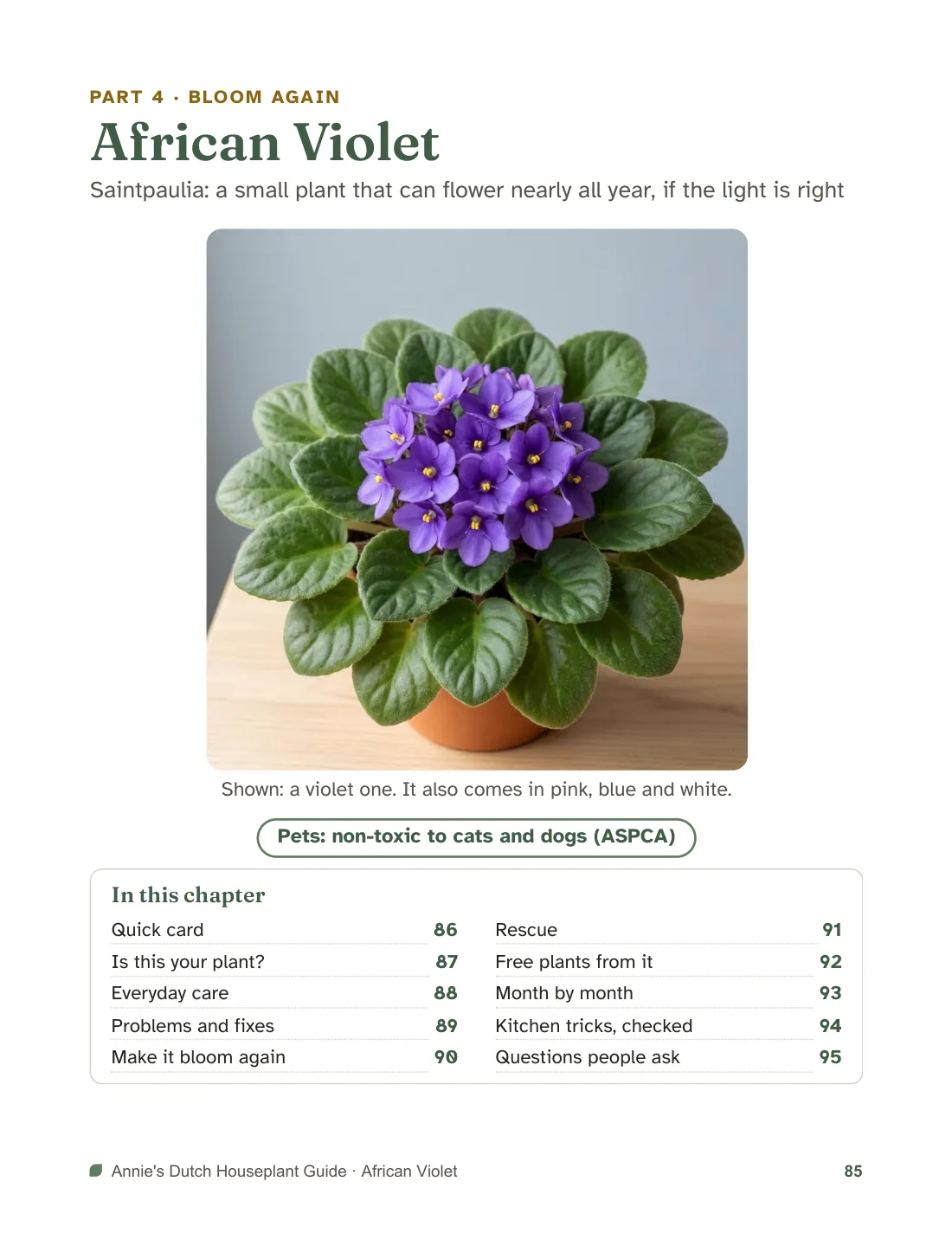
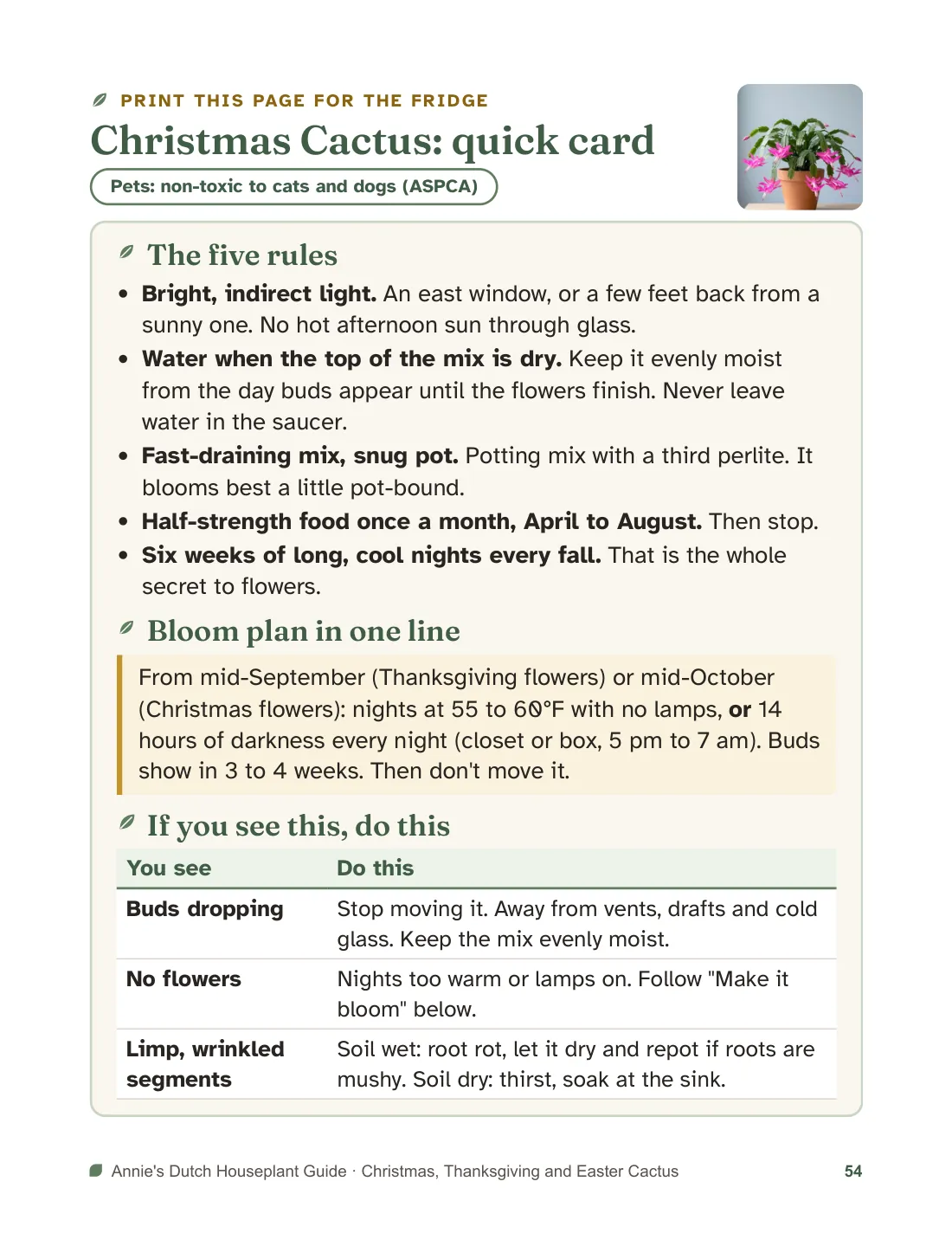
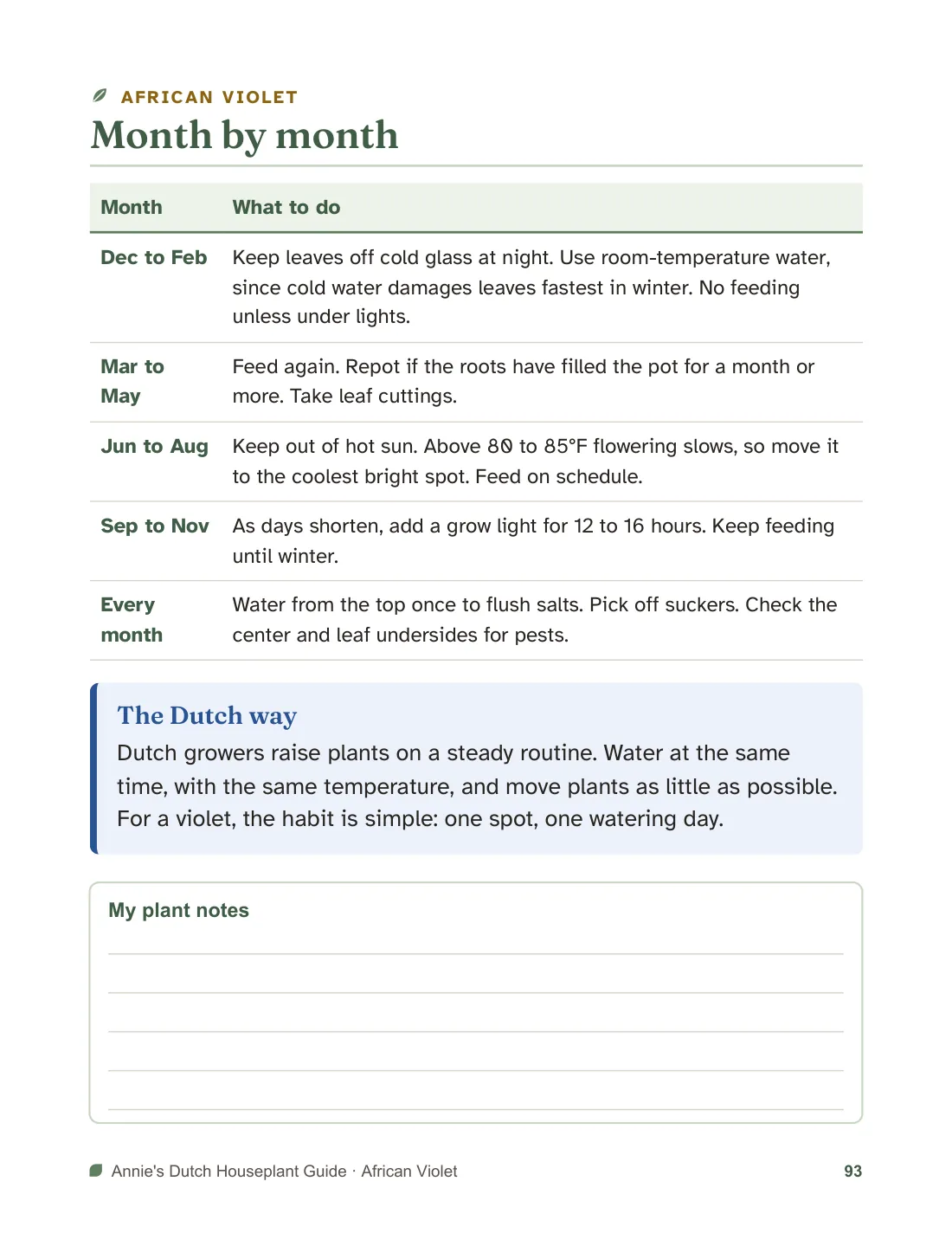
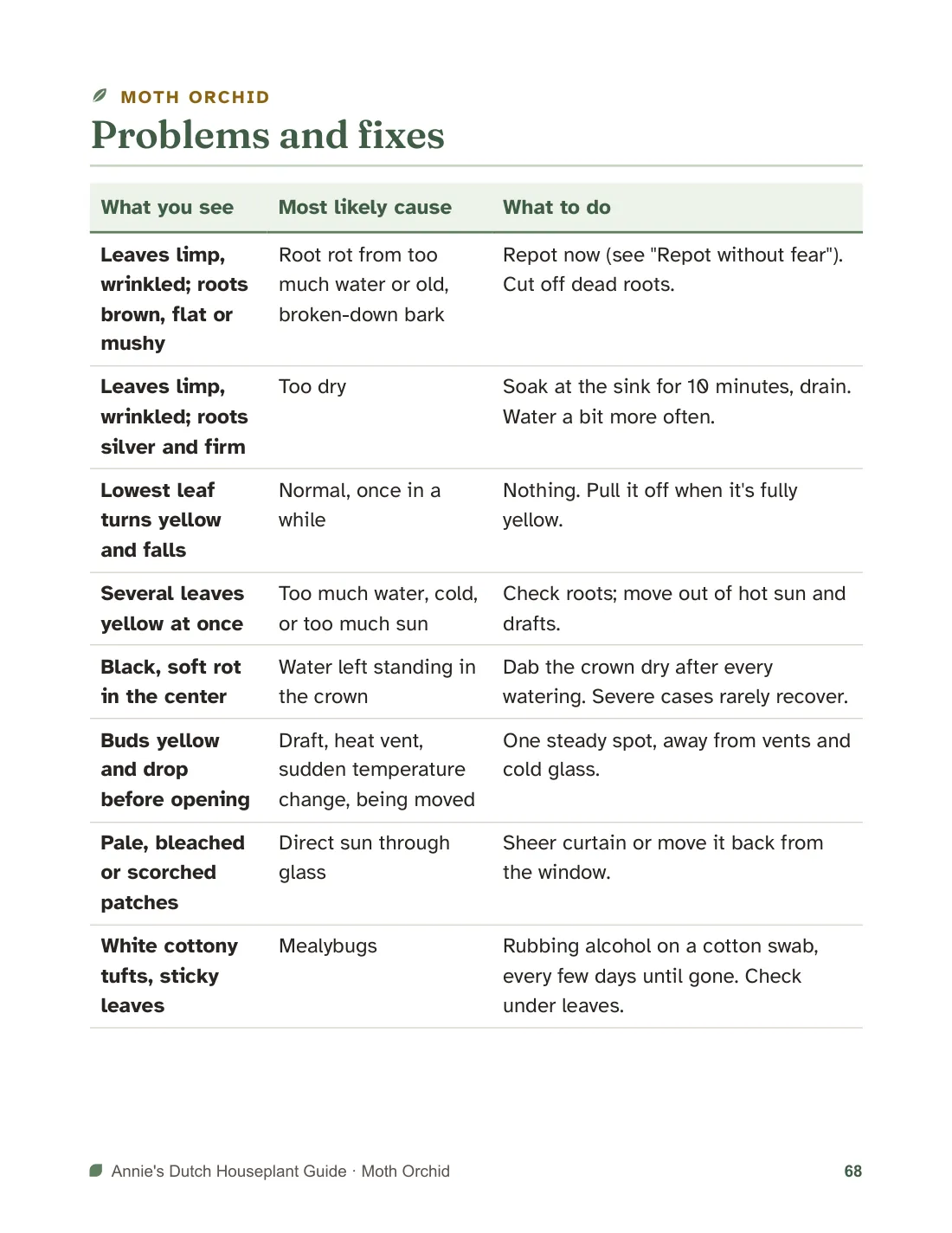
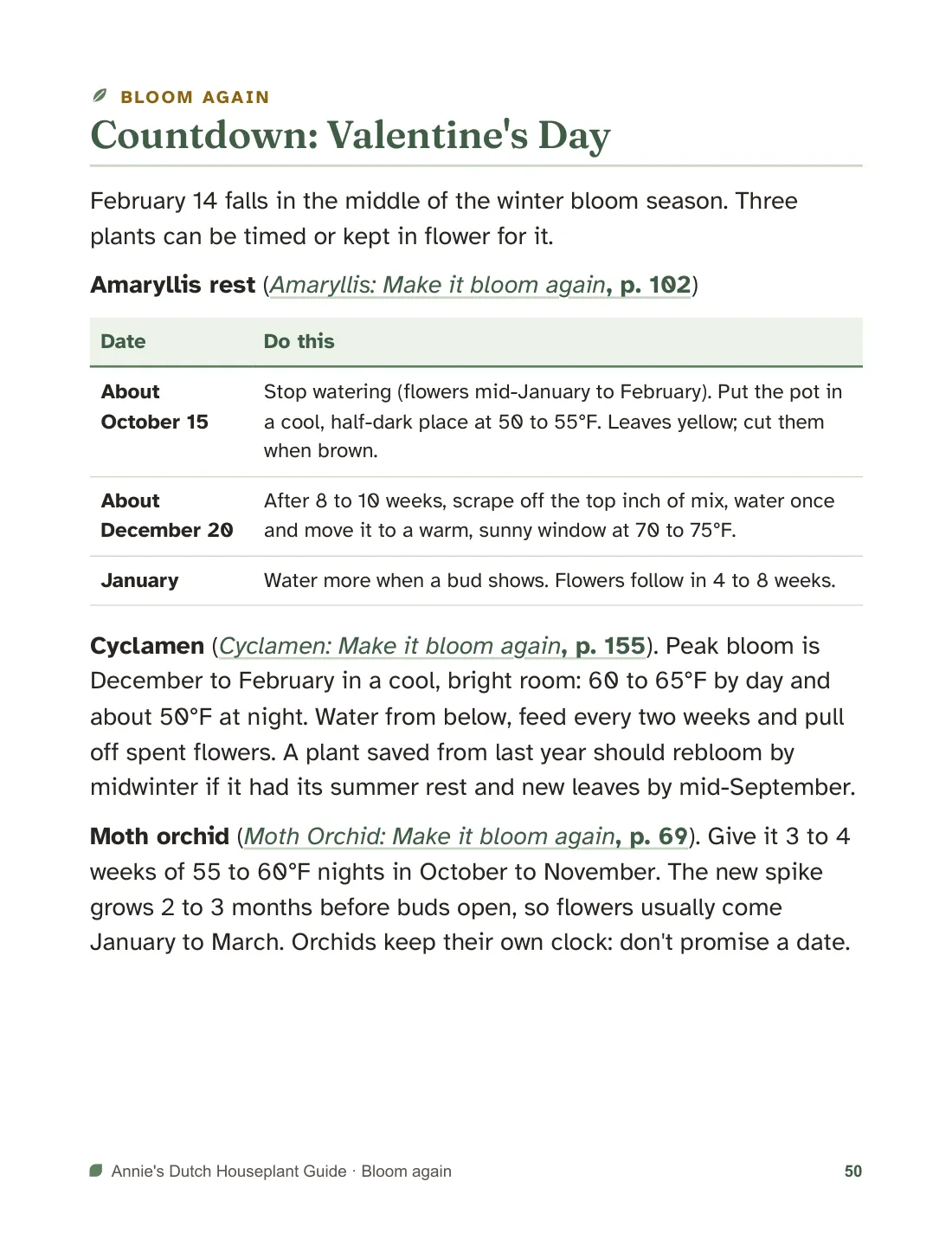
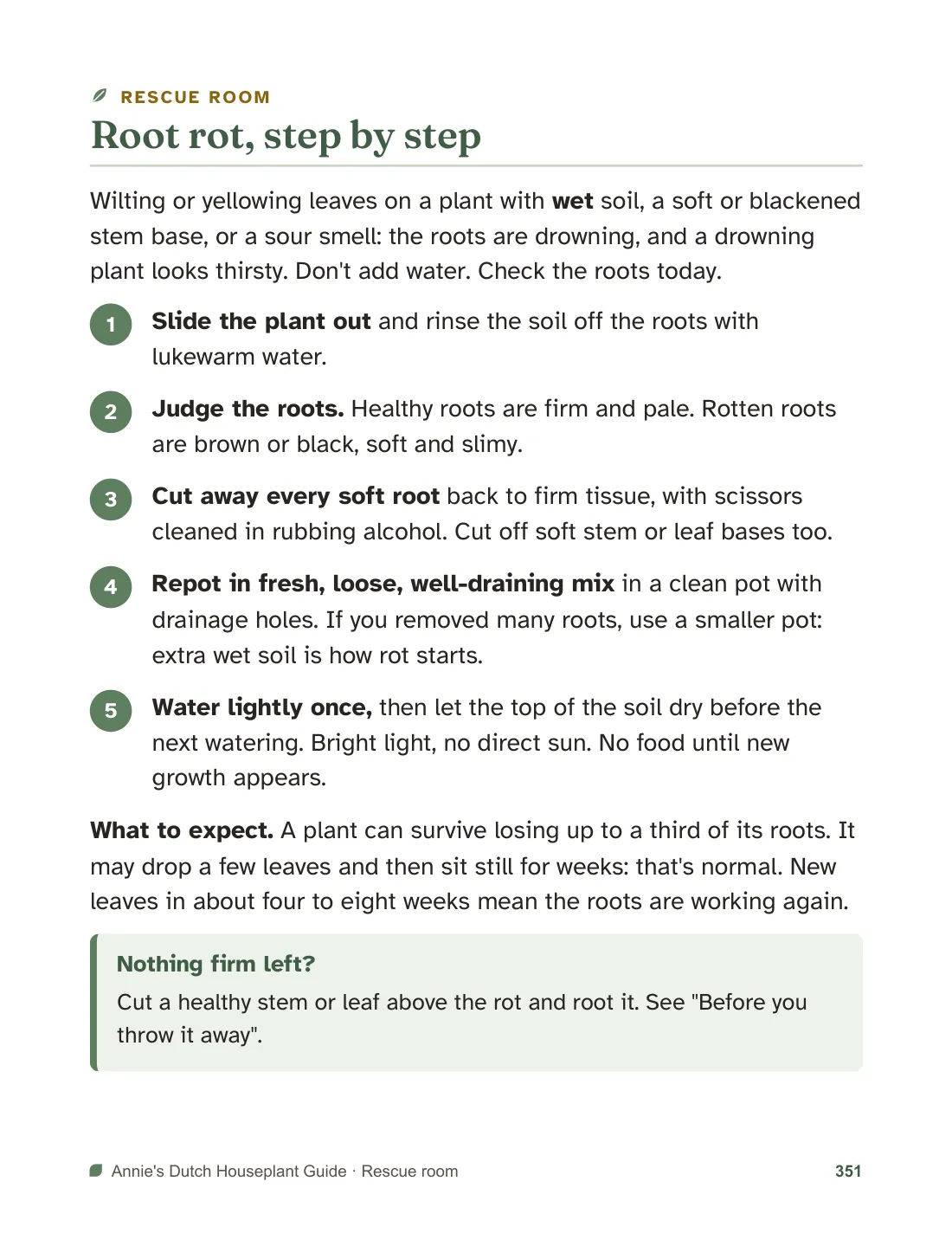
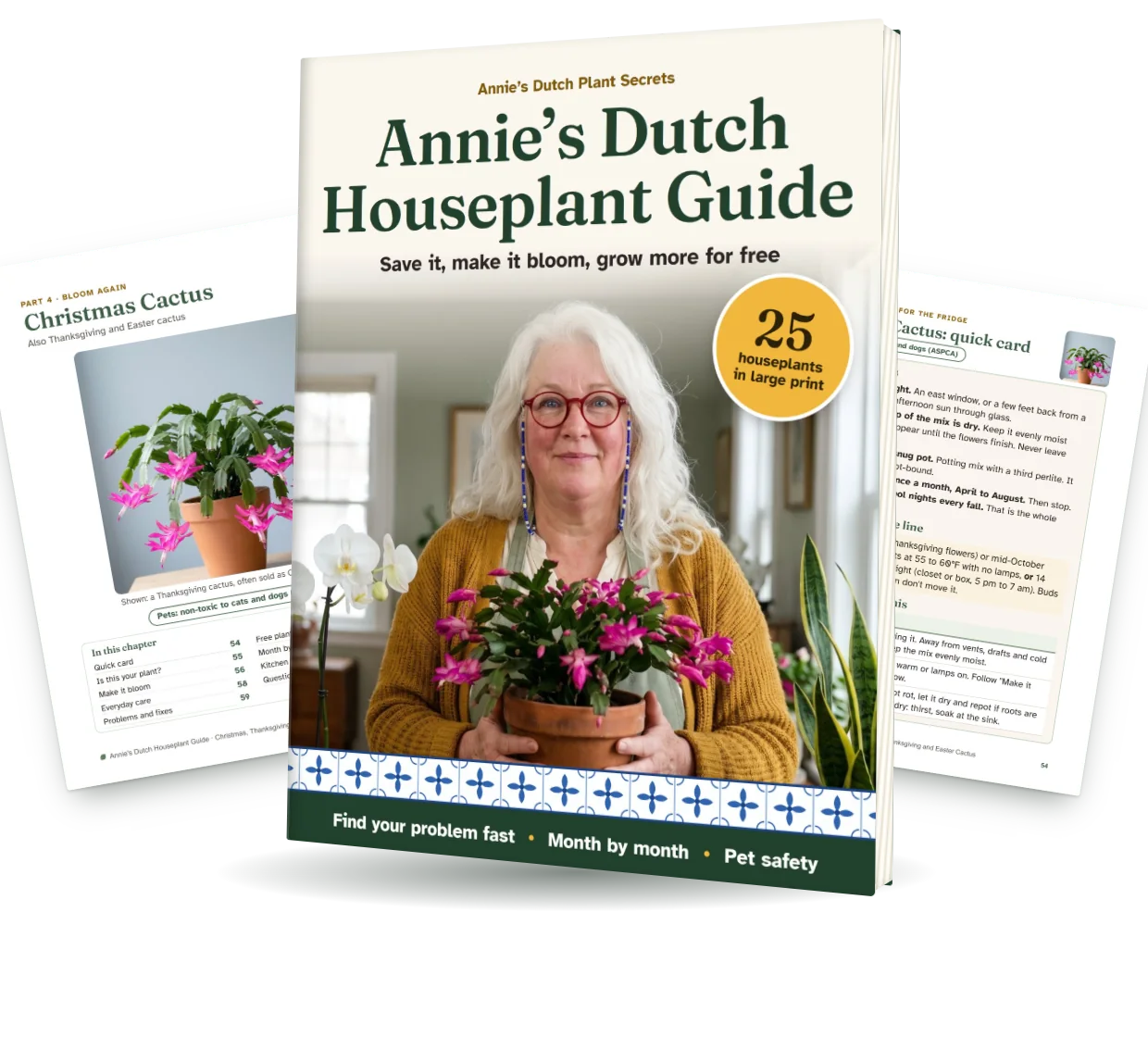
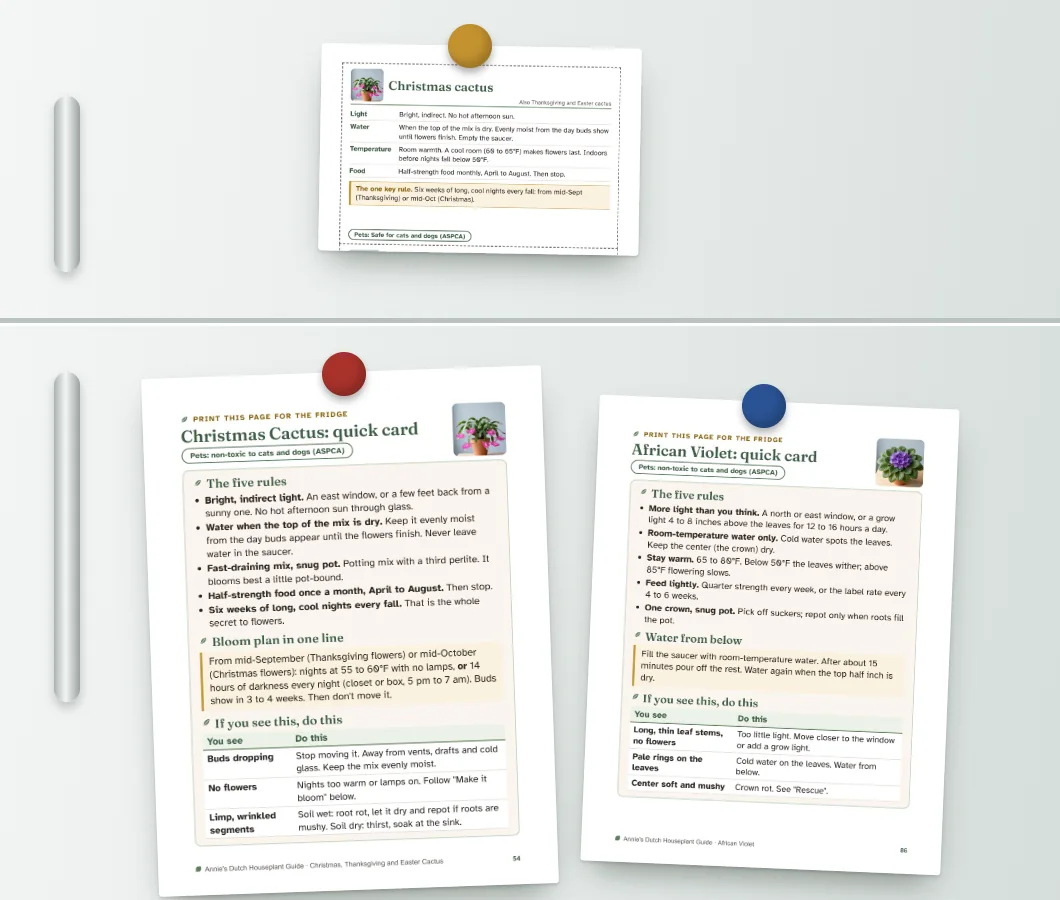
Read one whole page right here: the Christmas cactus quick card
The five rules
- Bright, indirect light. An east window, or a few feet back from a sunny one. No hot afternoon sun through glass.
- Water when the top of the mix is dry. Keep it evenly moist from the day buds appear until the flowers finish. Never leave water in the saucer.
- Fast-draining mix, snug pot. Potting mix with a third perlite. It blooms best a little pot-bound.
- Half-strength food once a month, April to August. Then stop.
- Six weeks of long, cool nights every fall. That is the whole secret to flowers.
Bloom plan in one line
From mid-September (Thanksgiving flowers) or mid-October (Christmas flowers): nights at 55 to 60°F with no lamps, or 14 hours of darkness every night (closet or box, 5 pm to 7 am). Buds show in 3 to 4 weeks. Then don't move it.
If you see this, do this
| You see | Do this |
|---|---|
| Buds dropping | Stop moving it. Away from vents, drafts and cold glass. Keep the mix evenly moist. |
| No flowers | Nights too warm or lamps on. Follow "Make it bloom" below. |
| Limp, wrinkled segments | Soil wet: root rot, let it dry and repot if roots are mushy. Soil dry: thirst, soak at the sink. |
Page 54, word for word. Every one of the 25 plants has a card like this.
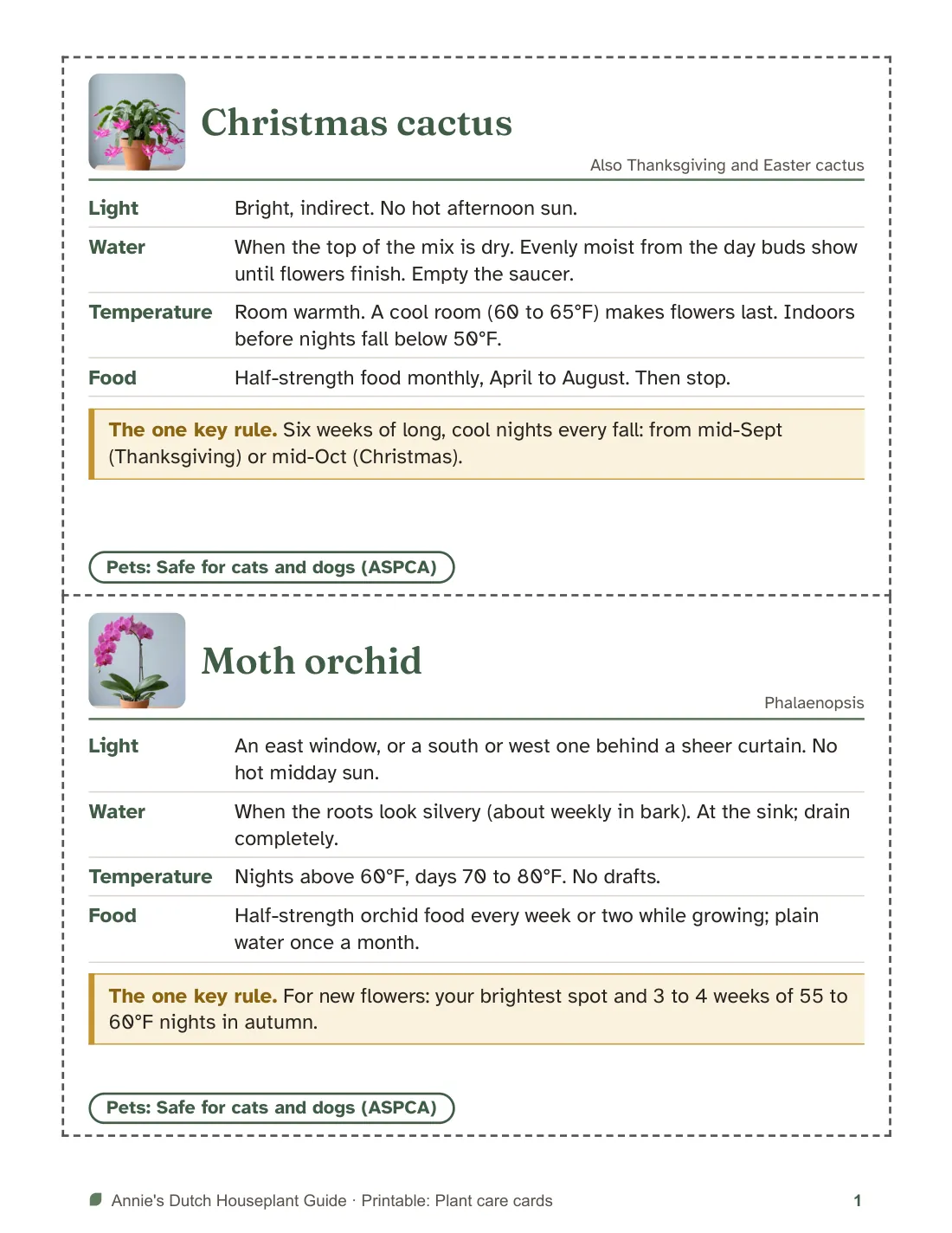
Every plant gets the same plan, so you always know where to look
- The picture page What it looks like, whether it’s safe for pets, and what’s in the chapter.
- The quick card Five rules on one page. Print it and put it on the fridge.
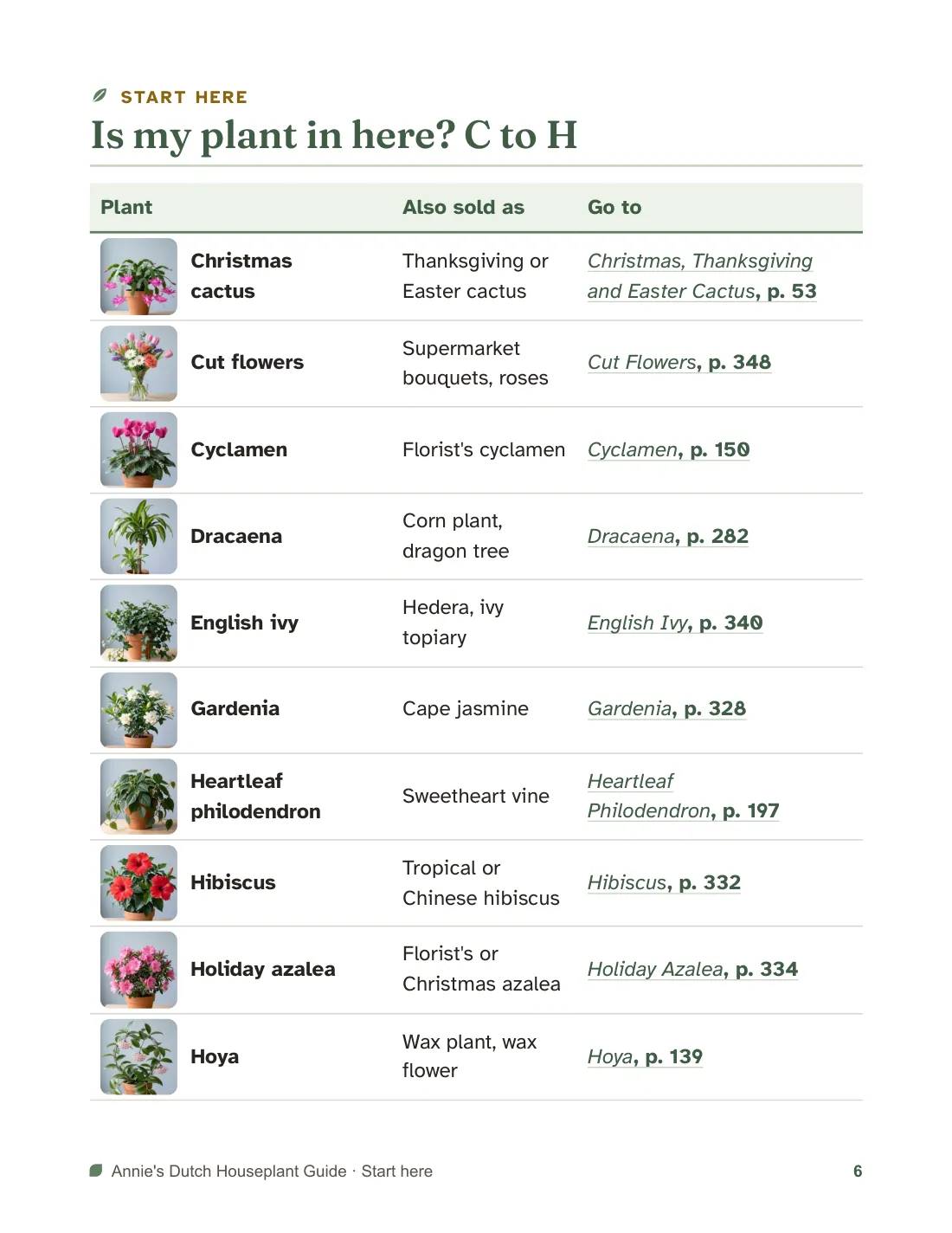
- Is this your plant? Look-alikes, and the names it’s sold under.
- Make it bloom, or make it grow Numbered steps with hours, weeks and temperatures.
- Problems and fixes What you see, why, and what to do.
- Free plants from it How to root a new one, or an honest “you can’t easily.”
- Month by month One short table for the whole year.
- Pets and sources Safe around cats and dogs or not, and where it all comes from.
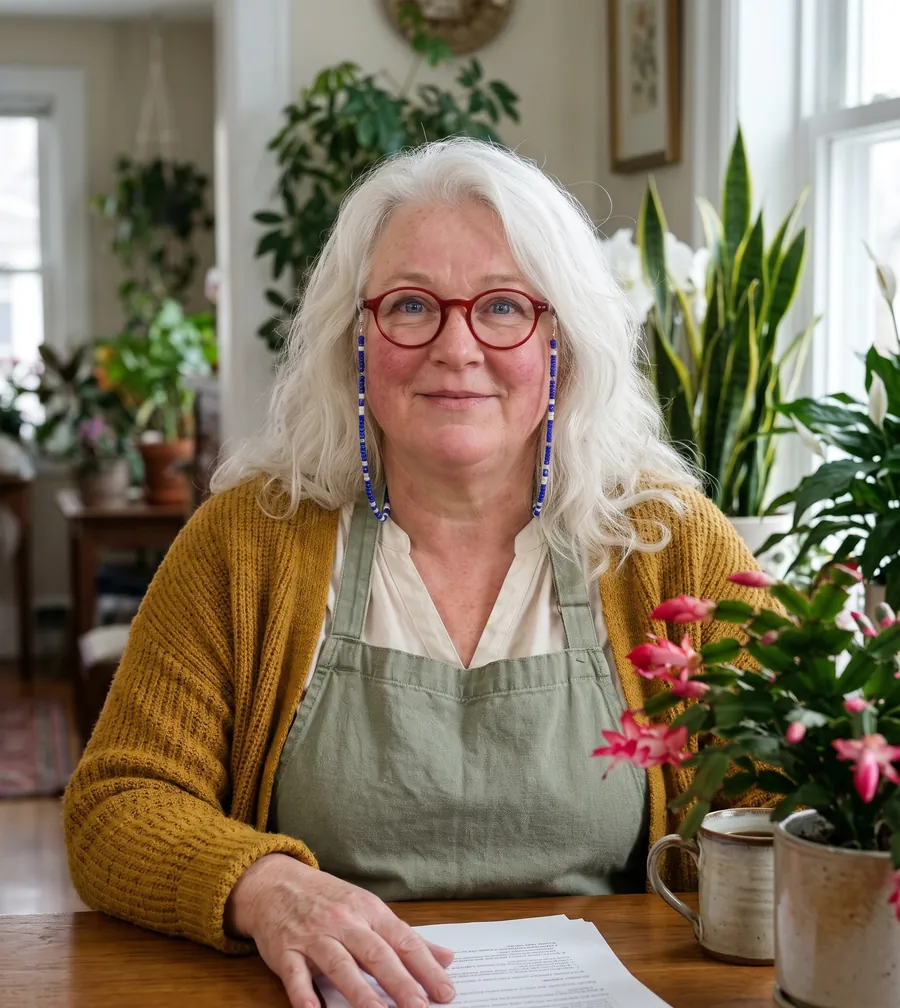
A note from Annie
Why it’s all on paper now
A video is a fine place to see how something is done. It’s a poor place to look something up in March with wet hands.
And you search, and one page says water every week, another says once a month, and the plant can’t wait while they argue.
So here’s one plan for each plant, in the same order every time, with the amounts and the months. When a kitchen trick doesn’t work, it says so. When good guides disagree, it gives a range or takes the gentler road.
Start with the plant that worries you most. Read its one-page card. Do the first thing on it today.
Annie
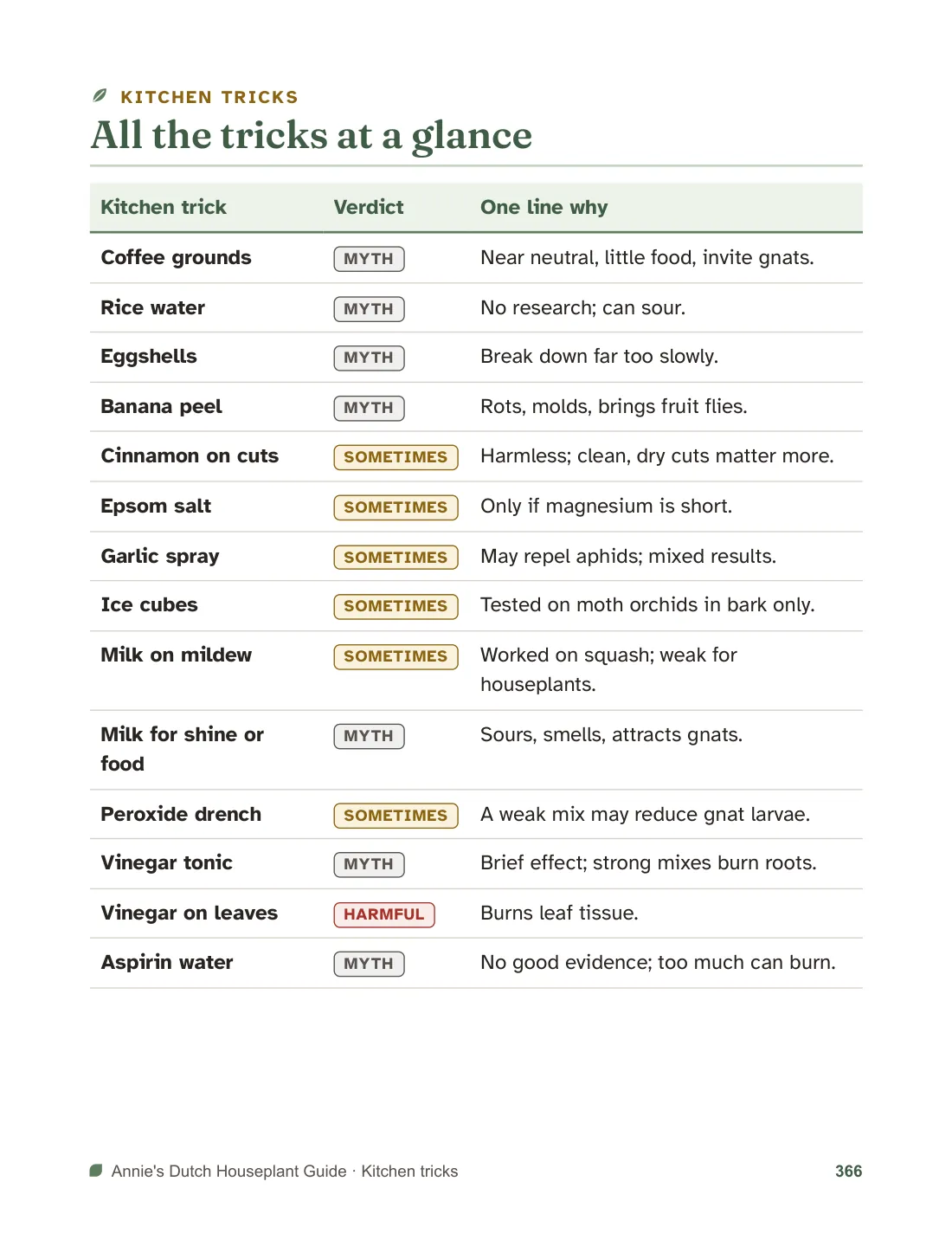
Coffee? Banana peel? Ice cubes?
Fourteen kitchen tricks get a plain verdict: Works, Sometimes, Myth or Harmful.
| Trick | Verdict | Why |
|---|---|---|
| Coffee grounds | Myth | Near neutral, little food, invite gnats. |
| Banana peel | Myth | Rots, molds, brings fruit flies. |
| Epsom salt | Sometimes | Only if magnesium is short. |
| Ice cubes | Sometimes | Tested on moth orchids in bark only. |
| Vinegar on leaves | Harmful | Burns leaf tissue. |
All fourteen are on page 366, with what to do instead.
Everything that’s in it, with page numbers
Tap a part to see what’s inside.
Start here from page 3
- How to use this book4
- Is my plant in here? A to C5
- Is my plant in here? C to H6
- Is my plant in here? J to P7
- Is my plant in here? P to Z8
- Ten habits that keep most plants alive9
- Words used in this book10
Find your problem fast from page 11
- Yellow leaves: flowering plants12
- Yellow leaves: green plants13
- Brown tips and edges14
- Brown or scorched patches15
- Dark spots, blotches and rot16
- Drooping or wilting17
- Soft, mushy stem or base18
- Leaves falling off19
- Buds dropping20
- No flowers21
- Long, stretched, leggy growth22
- Pale or faded leaves23
- Wrinkled, shriveled or curling leaves24
- Tiny flies around the pot25
- White fluff, sticky leaves, webbing26
- White crust, powder or slime27
- Roots out of the pot, slow growth28
The Dutch basics from page 29
- Light by window direction30
- Measure your light31
- Watering by finger and pot weight32
- Water quality33
- Pots with holes34
- Soil mixes you can make35
- Feeding: less is more36
- Humidity without fuss37
- Winter care38
- Summer outdoors39
- Repotting basics40
- Grow lights made simple41
- The first week home with a new plant42
- Store checklist: picking a healthy plant43
Bloom again from page 44
- Why plants stop flowering45
- Which signal does your plant need?46
- Countdown: Thanksgiving48
- Countdown: Christmas49
- Countdown: Valentine's Day50
- Countdown: Easter51
- Countdown: Mother's Day52
- Christmas Cactus53
- Moth Orchid64
- Peace Lily75
- African Violet85
- Amaryllis96
- Poinsettia107
- Anthurium118
- Kalanchoe128
- Hoya139
- Cyclamen150
Easy green plants from page 161
- Pick a plant for your room162
- All fifteen at a glance163
- What kills green plants165
- Snake Plant166
- ZZ Plant176
- Pothos187
- Heartleaf Philodendron197
- Spider Plant207
- Jade Plant217
- Aloe Vera228
- Succulents240
- Chinese Evergreen251
- Cast-Iron Plant261
- Rubber Plant271
- Dracaena282
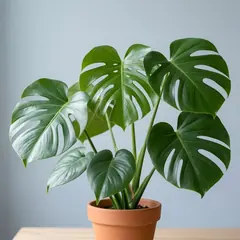
- Monstera293
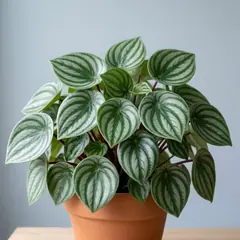
- Peperomia304
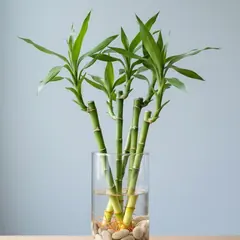
- Lucky Bamboo314
- Twelve more plants, two pages each325
The rescue room from page 350
- Root rot, step by step351
- A plant that dried out352
- Sunburn and cold damage353
- Repotting an old family plant354
- Moving water cuttings into soil355
- A leggy plant356
- Fungus gnats357
- Mealybugs358
- Spider mites359
- Scale360
- Aphids361
- Whiteflies362
- Before you throw it away363
Kitchen tricks, tested from page 365
- All the tricks at a glance366
- Coffee, rice water and eggshells367
- Banana peel and cinnamon368
- Epsom salt and garlic water369
- Ice cubes and milk370
- Hydrogen peroxide and vinegar371
- Aspirin, and what works instead372
Reference from page 373
- January to March: flowering plants374
- January to March: easy green plants375
- April to June: flowering plants376
- April to June: easy green plants377
- July to September: flowering plants378
- July to September: easy green plants379
- October to December: flowering plants380
- October to December: easy green plants381
- Pet safety at a glance: flowering plants382
- Pet safety at a glance: easy green plants383
- Pet safety at a glance: more plants in brief384
- Light and water at a glance: flowers385
- Light and water at a glance: green386
- 393 pages in the Guide
- 25 plants in depth, 12 in brief
- 26 pages of printables
- 30 days to change your mind
The Guide opens in December
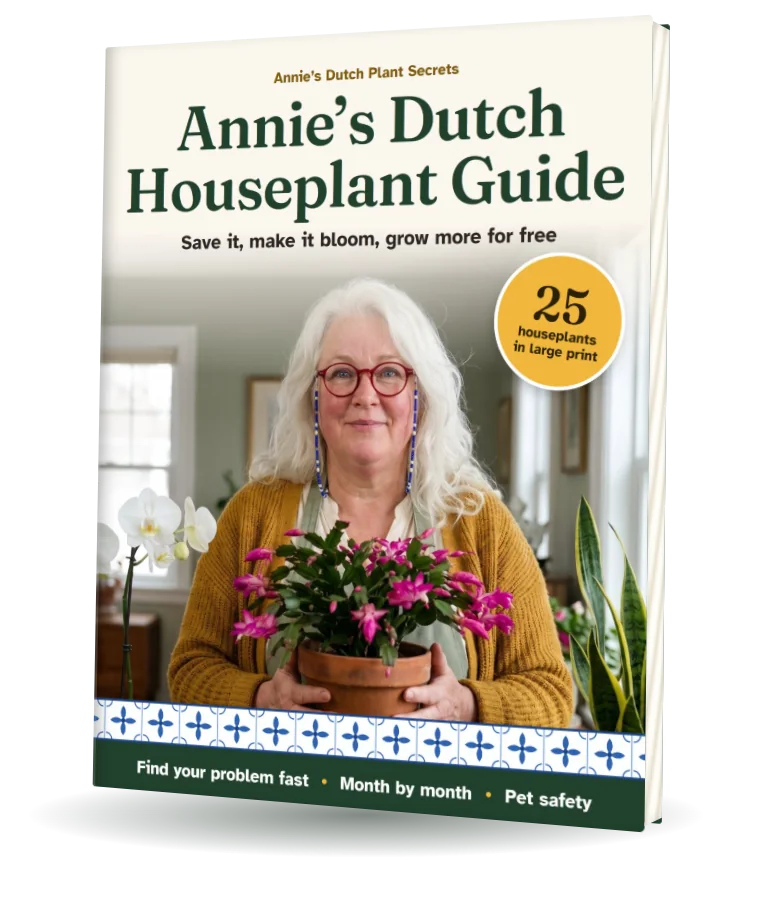
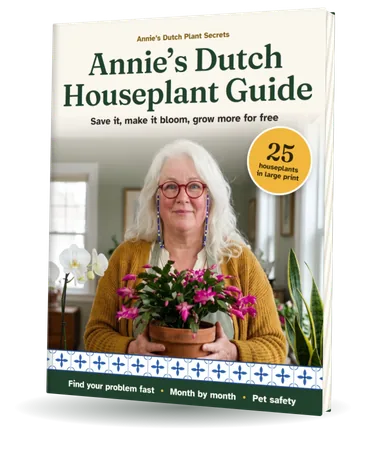
Annie’s Dutch Houseplant Guide
- The Guide, 393 pages
- 37 single-plant files and a 26-page printables pack
- 30-day money-back guarantee
$29 one payment, when it opens
Leave your email for the free holiday kit and you’ll be the first to hear.
Get the free kit and be told firstTry it for 30 days
Print a card, follow the steps. If it doesn’t help, write to [email protected] and you get all your money back. No form, no reason needed, and you keep what you printed. How refunds work
What happens when you tap the button
- You pay once On Gumroad’s secure page. There’s no account to set up first.
- Your files open A button on the next screen opens the Guide on your phone, tablet or computer.
- The link stays in your email Keep that email and you can open your files again any time.
 View content
Nervous about the computer part? The help page shows every step, and you can write to us.
Videos, searching, or the Guide?
| Videos | Searching | The Guide | |
|---|---|---|---|
| Shows you how it looks in someone’s hands | Yes | Sometimes | No |
| One plan per plant, always in the same order | No | No | Yes |
| Look up one thing quickly | No | Sometimes | Yes |
| Says where the advice comes from | Rarely | Sometimes | Yes |
| Goes on the fridge | No | No | Yes |
It’s for you if
- You have plants you want to keep, or bring back into bloom.
- You like exact steps better than guessing.
- You’d rather read big print on paper than scroll a phone.
It’s not for you if
- You want a paper book in the mail. This one you print yourself.
- You grow vegetables, roses or an outdoor garden.
- You collect rare plants. These are the everyday ones.
A gift that can’t arrive late
For your mother, your sister or a friend with a windowsill
At checkout, switch on “Give as a gift”, type their email address and add a note. They get the Guide by email with your message, and you get the receipt.
Want something to hand over? Print this free gift card and tuck it into a plant.

Questions, answered plainly
Will a paper book come in the mail?
No. It’s a digital book, a PDF. You print the pages you want at home, at the library or at a print shop.
I’m not good with computers. Will I manage?
If you can open an email and tap a link, yes. There’s nothing to install. Tap the button and the Guide opens. The help page shows each step for iPad, phone and computer, and if you get stuck, write to [email protected].
Is this a subscription? Will I be charged again?
No. You pay once. Nothing renews and there’s nothing to cancel.
How do I get it after I pay?
A button on the next screen opens your files. The same link comes in an email from Gumroad. If you don’t see it, look in spam or “Promotions”.
How big is the print?
The reading pages are in 16-point type, dark on white. Most tables are 14-point. The quick cards, the problem finder and the calendar tables are 11 to 13-point, so each one fits on a single page. On a tablet or phone, spread two fingers to make any page bigger.
Do I have to print all 393 pages?
No. Each plant has its own file of about ten pages, and every section starts on a new page, so you can print just what you need. It’s fine in black and white.
What if my plant isn’t in it?
Check the plants near the top of this page. If yours isn’t there, the problem finder, the basics and the rescue room still help with most houseplants.
Is it safe for my cat or dog?
Every plant chapter says whether the plant is toxic to cats and dogs, following the ASPCA’s plant lists, and there’s a table of all of them at the back. If the ASPCA has no entry for a plant, the book says so.
What’s the difference from the videos?
A video covers one plant or one problem. The Guide covers all of them in one layout, with the amounts, dates and page numbers written down. It was put together from plant-care guides, so it isn’t the videos typed out.
Why $29 for a digital book?
It covers 25 plants, which comes to about $1.16 each, and you can print any page as often as you like. If it doesn’t earn its keep in 30 days, you get your money back.
Isn’t this free online?
Much of it is, spread over many pages that don’t agree. What you’re paying for is one plan per plant, in one layout, with the amounts, months and page numbers in one place.
Is my card safe? What is Gumroad?
Gumroad is the online shop that takes the payment and delivers the files. Your card goes to its secure checkout, and we never see the number. You don’t need an account.
What if I lose the file?
The link in your email opens it again. If you’ve lost the email too, write to us from the address you bought with and we’ll send it back to you.
What will my card statement say? Is there tax?
The charge comes from Gumroad. Some places add sales tax, and you see the total before you pay.
Can I share it with my sister?
Please don’t forward the files. You can print pages for your own household. If she’d like her own copy, choose “Give as a gift” at checkout.
What if it doesn’t help?
Write to us within 30 days and you get a full refund. Keep what you printed.

Still wondering about something?
Ask before you buy. We answer every email, within two working days.
Write to usNot ready for the Guide?
Start with the free holiday kit
Five printable pages: gift tags with care notes for eight holiday plants, a six-week bloom countdown, and a page for a plant’s first week home.
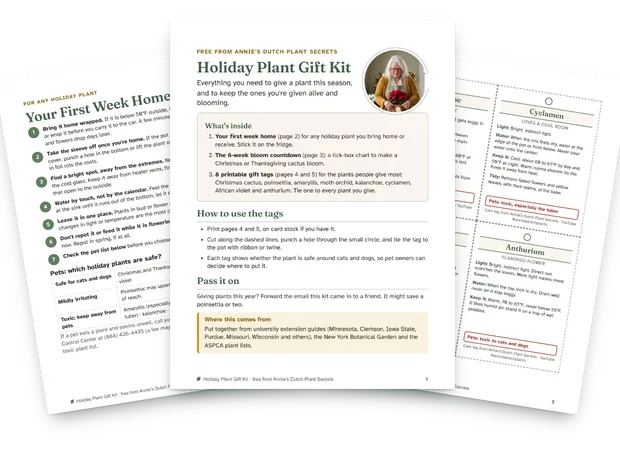
The sign-up box opens in a few days. Want the kit now? Write to us with the word KIT and we’ll send it to you.
Ask for the free kit by emailWe’ll use your address only to send the kit. Privacy
Ready when you are
The Guide opens in December. The free kit is ready today.